

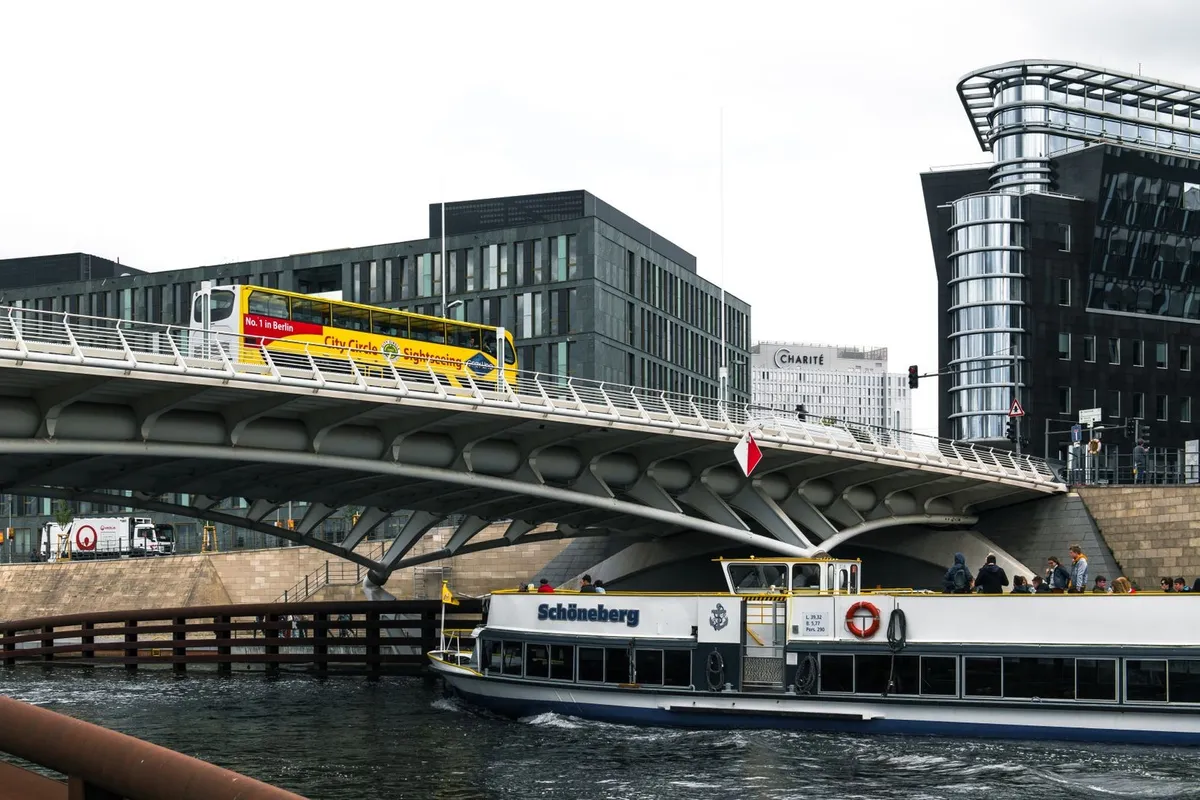
A river cruise bundled into an open-top sightseeing ticket looks like an effortless upgrade at online checkout. Almost every major sightseeing operator in Europe packages a boat trip into their higher-tier passes, advertising panoramic skyline views for just a few extra pounds or euros. However, my time on over sixty sightseeing routes across Europe has taught me that these package deals often hide rigid scheduling traps, long embarkation queues, and confusing route structures. Knowing when a combo pass saves real money versus when it wastes valuable sightseeing hours comes down to understanding the math, the boat operators involved, and the physical constraints of city waterways.
A thorough bus and cruise combo review requires stripping away promotional claims and examining exact retail margins, pier geography, and operational friction. Across London, Paris, Amsterdam, Vienna, and Budapest, bundling practices vary dramatically. In some capitals, adding water transit costs less than a single public transport fare and saves meaningful street-level transit time. In others, restrictive departure hours, mandatory voucher exchanges, and crowded piers mean you pay extra for a voucher you may never have time to use.
The Economics of Bundling: Deconstructing the Boat Add-On Cost Breakdown
Math Behind the Pass: Package Discounts vs. Standalone Fares
The core financial appeal of an integrated sightseeing ticket rests on an incremental boat premium rather than individual retail prices. Sightseeing bus operators do not run their own vessels; instead, they purchase bulk capacity allotments from commercial boat companies at steep business-to-business discounts during off-peak daytime hours. They pass a fraction of that wholesale margin on to visitors, making the boat add-on cost breakdown appear remarkably affordable when compared against walk-up retail ticket booths along the riverbank.
For instance, in London, upgrading from a 1-day bus-only pass at £32.00 to the Big Bus 24-hour Discover Ticket at £36.99 represents an incremental jump of just £4.99. Similarly, City Sightseeing Amsterdam charges €37.50 for its 24-Hour Bus & Boat pass–an €8.00 surcharge above the €29.50 bus-only ticket. In both instances, purchasing the standalone boat cruise directly at the pier costs substantially more than the add-on surcharge. The table below illustrates the pricing reality across major European city routes in 2026.
| City & Operator Package | Bus-Only Pass | Bus + Boat Combo | Incremental Boat Premium | Standalone Pier Ticket | Net Combo Saving |
|---|---|---|---|---|---|
| London: Big Bus Discover (24h) | £32.00 | £36.99 | £4.99 | £14.50–£15.00 | £9.50–£10.00 |
| Paris: Big Bus + Batobus (48h) | €67.00 | €75.60 | €8.60 | €27.00 | €18.40 |
| Amsterdam: City Sightseeing (24h) | €29.50 | €37.50 | €8.00 | €15.50–€18.50 | €7.50–€10.50 |
| Vienna: Big Bus Explore (48h) | €47.00 | €69.00 | €22.00 | €29.50–€35.00 | €7.50–€13.00 |
While the initial math favors the bundled ticket, evaluating the purchase depends heavily on whether your travel schedule allows you to redeem the voucher before the clock runs out. The 24-hour vs 48-hour combo pass validity rules dictate that a single-day bus ticket requires you to board both the bus and the boat within the exact same 24-hour window, often forcing travelers to rush through museum visits to avoid forfeiting their river ticket.
Cruise Typologies: One-Way Transfer, Circular Tour, or Hop-On Hop-Off Boat?
Marketing flyers frequently use the generic phrase "river cruise included," yet boat itineraries fall into three distinct operational models. The first is the point-to-point single transfer, typical of the London combos where your voucher covers a one-way trip between Westminster Pier and Tower Pier. This serves as practical transit between major sights, but once you disembark, your river entitlement is finished; there is no return voyage included on single-day packages.
The second category is the circular sightseeing loop, common in Paris with Bateaux Parisiens and Vedettes de Paris. These 60-minute non-stop voyages depart from the foot of the Eiffel Tower, cruise past the Île de la Cité, and return to the exact same departure dock. They provide steady vantage points for architectural photography, but they offer zero utility as everyday transportation because you cannot get off at intermediate monuments like the Louvre or Notre-Dame.
The third category is the genuine hop-on hop-off boat vs river cruise shuttle, best exemplified by the Batobus service in Paris. With nine designated stops along the Seine, this vessel acts as an open-air water bus network. Knowing the difference between a one-way cruise vs circular sightseeing cruise prevents the common frustration of boarding an enclosed tourist vessel expecting a flexible ferry, only to find yourself trapped on an unstopping 75-minute loop.
Before buying any combo ticket, check whether the boat inclusion is a point-to-point transfer, a non-stop circular loop, or an unlimited multi-stop water bus. Assuming all boat vouchers allow unlimited river boarding will derail your day's schedule.
London on Road and Water: Evaluating the Hop On Bus Thames Cruise Deal
Westminster to Tower Pier Routes: Big Bus and Tootbus Inclusions
London remains the most popular proving ground for the bundled sightseeing pass, and securing a reliable hop on bus combo deal often hinges on how you navigate the River Thames. Both Big Bus and Tootbus partner with City Cruises to provide water transit between central London piers. The standard Big Bus 24-hour Discover Ticket costs £36.99 online and includes a single one-way trip, saving travelers roughly £9.50 to £10.00 compared to paying the standalone adult fare of £14.50 to £15.00 at the City Cruises ticket window. Tootbus offers their competing 'Must See London' package starting from £33.99 online, discounted from a standard walk-up list price of £49.00.
This water leg between Westminster Pier and Tower Pier provides an efficient bypass around the perpetual automotive congestion between Whitehall and the City. From the water, you get unobstructed views of Shakespeare's Globe, Tate Modern, and St. Paul's Cathedral without fighting double-decker traffic along the Strand. If you want an in-depth review of London's land routes, you can read my Big Bus London tour evaluation for detailed street times.
However, operational bottlenecks can quickly erode this logistical advantage. City Cruises vessels depart every 30 to 40 minutes during peak summer months and stretch to 40 to 60 minutes in colder winter periods. Midday river cruise embarkation queue times at Westminster Pier regularly hit 30 to 60 minutes between 11:30 AM and 3:00 PM. Standing on an exposed wooden pontoon in summer heat or damp winter drizzle while watching multiple full boats depart can consume the time savings you gained by avoiding road traffic.
The Commuter Transit Benchmark: Uber Boat by Thames Clippers
Whenever travelers ask me if the tourist boat add-on is mandatory, I point them toward London's municipal water transport network. The scheduled river bus public transit alternative, operated as Uber Boat by Thames Clippers, runs fast twin-hull catamarans linking the exact same landmarks. A Central Zone pay-as-you-go single trip costs £9.90 using a standard Contactless card, Oyster card, or mobile app, though walk-up paper tickets from pier vending machines jump to £14.40.
The service standard of Uber Boat differs sharply from tourist lines. Catamarans arrive every 10 to 20 minutes at central piers, far outpacing the 30- to 40-minute tourist departures. Commuter catamarans feature climate-controlled indoor cabins, aircraft-style seating, an onboard coffee bar, and small open aft decks. What they lack entirely is live tourist sightseeing commentary, historical narration, and an elevated open top deck.
If you prioritize flexible timing, rapid boarding, and skipping tourist queues, using your Contactless card for the Uber Boat by Thames Clippers Oyster fare offers a smoother experience. The £4.99 Big Bus Discover boat premium is mathematically cheaper than the £9.90 Uber Boat fare, but that saving vanishes if you lose an hour standing in a stationary line at Westminster Pier.
City Cruises vouchers included with London bus tours are strictly single-use transfers. Once you disembark at Tower Pier or Westminster Pier, your boat ticket is spent. If you need unlimited hop-on hop-off water transit, standalone 24-hour river passes cost £26.00 online.
Paris River Bundles: Seine Cruise and Bus Pass Comparison
Batobus Duo Pass vs. Bateaux Parisiens Circular Sightseeing
In Paris, selecting a seine cruise and bus pass requires choosing between two entirely different water travel styles. Big Bus Paris sells a 48-Hour Ticket + River Cruise package featuring the Batobus Pass duo Liberté for €75.60 online, saving money against the €84.00 standard walk-up rate. If bought independently at a river kiosk, a standalone Batobus pass costs €23.00 for 24 hours and €27.00 for 48 consecutive hours. Batobus functions as an all-day river shuttle serving nine designated quayside stations, including the Eiffel Tower, Musée d'Orsay, Louvre, Notre-Dame, and Jardin des Plantes.
The operational rhythm of Batobus demands patience. A complete circuit takes approximately 1 hour and 45 minutes to 2 hours, with trimarans arriving every 20 to 25 minutes during peak months. Because the glass-topped boats carry commuters and tourists alike, they offer no recorded or live sightseeing commentary. They operate purely as a scenic transit route through central Paris.
In contrast, combo packages incorporating a Bateaux Parisiens sightseeing cruise offer a traditional 1-hour non-stop circular loop from Port de la Bourdonnais. Standalone tickets for Bateaux Parisiens cost €17.00 to €23.00 directly from the operator. The tour features automated commentary via seat audio jacks or personal smartphone streams, passing the Île Saint-Louis before looping back to the Eiffel Tower. For travelers wanting a focused photography session along the Seine's stone bridges, the Bateaux Parisiens loop works well; for travelers looking to hop between Left Bank and Right Bank museums, the Batobus combo delivers better utility.
Tootbus Paris and Vedettes de Paris: Boarding Rules and Dock Geography
The alternative primary pairing in the French capital is Tootbus Paris bundled with Vedettes de Paris. The 24-hour 'Must See Paris' combo begins at €47.25 to €56.70 online (against a standard price of €63.00), while their 48-hour option starts at €66.60 online compared to the €74.00 base rate. Standalone 1-hour circular departures on Vedettes de Paris retail for €17.00 to €23.00. For an assessment of how the street vehicles perform, my review of the Tootbus electric fleet details their city center routes.
The boarding logistics for Vedettes de Paris are geographically convenient. Departures leave from Port de Suffren, situated directly at the base of the Eiffel Tower. Crucially, the dock is accessed by stone staircases leading down from the Pont d'Iéna riverbank, situated entirely outside the fenced security perimeter of the Eiffel Tower. This allows combo ticket holders to reach the boat pier without enduring the lengthy security queues and bag checks required for entering the tower grounds.
However, ticket activation presents a strict operational hurdle. You cannot walk directly to Port de Suffren and board the boat first. Under the operator's pier voucher redemption rule, passengers must board a Tootbus vehicle first to scan their booking confirmation and receive the physical or digital boarding pass required by the boat crew. Showing up directly at the river pier with an unvalidated third-party voucher will result in the dock agent sending you up the stairs to find a bus stop.
Central and Eastern Europe: Danube Boat and Bus Ticket Value
Budapest Waterfront: Dock 6 Bundles vs. Independent Danube Charters
Budapest boasts one of the most dramatic river corridors in Europe, making a danube boat and bus ticket a fixture of most tourist itineraries. Big Bus Budapest offers a 24-hour bus pass starting from €35.10 that bundles either an included 1-hour cruise or a 30% discount voucher valid at Dock 6 along Petőfi Square (Jane Haining rakpart). For road network logistics, consult my Budapest hop-on bus route guide.
Before committing to this combo, compare the package price against the standalone market on the Pest riverbanks. Independent sightseeing boat companies operate frequent 1-hour daytime cruises from adjacent docks for 4,500 to 6,000 HUF (roughly €11.00 to €15.00). When local standalone river trips are this affordable, paying upfront for an all-inclusive bus bundle provides limited savings unless you plan to ride the bus extensively on the hilly Buda side of the river.
Crucially, daytime combo vouchers carry strict scheduling limits. Cruises departing from Danube river cruise Dock 6 Petőfi Square under the standard Big Bus voucher operate strictly between 11:00 AM and 5:00 PM. Budapest's primary visual highlight is the illuminated Hungarian Parliament Building viewed after dusk. If you wish to sail at sunset or under night lighting, dock operators require an upgrade surcharge or require you to purchase a separate evening ticket entirely.
If your primary goal in Budapest is photographing the illuminated Parliament building after dark, skip the bundled daytime boat ticket. Buy a bus-only pass and book an independent evening boat tour directly on the Pest promenade.
Vienna Waterways: DDSG Blue Danube Canal Route vs. Ringstrasse Busing
In Austria, Big Bus Vienna structures its Explore Ticket by pairing a 48-hour bus pass with a 75-minute City Cruise operated by DDSG Blue Danube. On paper, the savings appear compelling. Standalone tickets for the DDSG Blue Danube City Cruise (Route C) departing from Franz-Josefs-Kai 2 at Schwedenplatz cost €29.50 to €35.00, meaning the combo package offers genuine retail savings over paying for both experiences individually. For full city context, see my Vienna sightseeing bus overview.
The potential disappointment lies in the cruise geography. Route C does not navigate the wide expanse of the main Danube River, nor does it pass the city's celebrated imperial palaces. Instead, it operates exclusively along the regulated Danube Canal (Donaukanal), looping north toward the Nussdorf weir and returning to Schwedenplatz. The visual backdrop consists of modern concrete retaining walls, vibrant urban graffiti murals, the Ringturm, Roßauer Kaserne, and the modern Zaha Hadid residential building.
While this canal route offers an interesting perspective on Vienna's contemporary urban life and flood engineering, it does not match what most first-time visitors envision when booking a Danube river cruise. If you expect imperial architecture, focus your time on the open-top bus circuits circling the Ringstraße, and treat the DDSG canal cruise as a casual architectural detour rather than a traditional palace tour.
Amsterdam Canal Combos: Logistics, Boarding Rules, and Accessibility
Lovers Canal Cruises and City Sightseeing at Prins Hendrikkade
Amsterdam's historic canal network is far better suited to boats than double-decker buses, which are permanently barred by weight limits from the narrow canal rings. City Sightseeing Amsterdam addresses this by offering a 24-Hour Bus & Boat combo for €37.50, representing an €8.00 surcharge over their €29.50 bus-only pass. Because standalone 1-hour canal tours with Lovers Canal Cruises cost between €15.50 and €18.50, the combo delivers a reliable net saving of €7.50 to €10.50. For detailed canal ring planning, see my guide to the Amsterdam bus and canal route.
Redeeming this combo requires following specific dock procedures. Lovers Canal Cruises operates out of Prins Hendrikkade 25, situated directly across the open plaza from Amsterdam Centraal station. Boats run daily between 9:00 AM and 5:45 PM. While bus tickets allow flexible boarding, combo pass holders must report to the Lovers dock terminal 15 minutes before departure to secure their boarding spot.
During peak summer weekends, open-dated combo vouchers cannot be taken directly to the boarding plank. You must present your ticket at the dockside sales desk to receive a boarding pass assigned to a specific departure time. On busy afternoons, time slots for the subsequent two or three departures can sell out, forcing you to wait around the station plaza for up to an hour before your assigned boat boards.
Accessibility and Infrastructure: Gangways, Steps, and Pavement Constraints
A stark divide exists between the physical accessibility of sightseeing buses and the historic boats used on European waterways. Modern low-floor double-decker buses in London, Paris, and Amsterdam feature fold-out boarding ramps and dedicated wheelchair bays on the lower deck. They comply with modern municipal accessibility mandates, making street boarding straightforward for travelers with limited mobility.
Canal boats and historic river craft rarely offer comparable access. In Amsterdam, Lovers canal barges require passengers to negotiate steep, narrow metal gangways followed by four to six steep steps down into low-ceilinged glass cabins. These vessels cannot accommodate non-folding wheelchairs or motorized mobility scooters under any circumstances. Any folding chairs must be collapsed and stored at the dockside terminal before boarding.
Pier infrastructure across Europe presents similar obstacles. Boarding points like Westminster Pier in London and Port de la Bourdonnais in Paris involve long, sloping pontoon ramps that become steep during low tides. Docks often lack covered shelters or seating, leaving passengers exposed to weather during peak queue delays. For travelers with restricted mobility, riding the lower deck of an accessible bus is often far more manageable than attempting to board older riverboats.
If you rely on a motorized wheelchair or cannot manage steep, narrow steps, do not purchase canal or river cruise add-ons in Amsterdam or Vienna without confirming vessel access beforehand. Most historic sightseeing boats cannot accommodate non-folding mobility equipment.
Operational Friction: Hidden Timing Rules, Commentary, and Voucher Traps
Clock Synchronization: The Pier Voucher Redemption Rule and 24-Hour Expirations
The single greatest operational pitfall of bundled tickets is the synchronized countdown timer. On a standard 24-hour pass, the validity clock activates the exact moment your digital pass is first scanned on board a bus. If you board your first bus at 11:00 AM on a Tuesday, your bus transit privileges and your boat cruise voucher expire at precisely 11:00 AM on Wednesday.
This creates a scheduling bottleneck. Many travelers assume they can save the boat ride for the afternoon of their second day, only to arrive at the pier and discover their voucher expired alongside their morning bus pass. To maximize value, your transit schedule must be planned deliberately around the single clock:
- Morning Bus Boarding: Scan your combo ticket on the bus around 9:30 AM to begin exploring city neighborhoods.
- Midday Attraction Visits: Step off to visit primary interior sites during the middle of the day.
- Late-Afternoon River Leg: Head to the boat dock around 4:00 PM, avoiding the peak midday queue window between 11:30 AM and 3:00 PM while ensuring the cruise finishes well before the 24-hour expiration window.
Remember the pier voucher redemption rule that applies to operators like Tootbus in London and Paris. You cannot start your sightseeing journey at the boat pier. The boat dock agents do not possess the scanners to activate raw, unvalidated agency vouchers; you must board a bus first to generate an active cruise boarding pass. Attempting to bypass the bus and walk directly onto the boat will lead to refusal at the gangway.
On-Board Experience: Live Crew Commentary vs. Multi-Language Audio Tracks
The audio presentation on river cruises varies widely by operator and city. City Cruises on the River Thames distinguishes itself by featuring live English commentary delivered over public loudspeakers by the boat crew. These guides deliver factual history alongside observational London humor and real-time updates on passing river traffic. For non-English speakers, the experience is less engaging, as translations require downloading a smartphone application onto personal devices.
Continental operations favor automated pre-recorded audio systems. Bateaux Parisiens, DDSG Blue Danube, and Lovers Canal Cruises use multi-language tracks broadcast through personal headphones in 8 to 19 languages, synchronized by onboard GPS triggers. While these recordings deliver consistent historical facts, they lack the spontaneous engagement of a live guide and can fall out of sync if river traffic slows the boat.
Hardware reliability presents another daily friction point. Operators provide complimentary, single-use 3.5mm wired plastic earbuds for the seat-back audio jacks on the boat. However, modern tours utilizing digital smartphone commentary (such as Tootbus or Vedettes de Paris) require passengers to supply their own mobile devices, charging packs, and personal headphones or Lightning and USB-C headphone adapters. Wind and engine noise on open upper decks can easily drown out cheap plastic earbuds, making the enclosed lower salon far better for listening and the open top deck better for silent sightseeing.
Bus and Cruise Combo Review: Final Verdict and Selection Matrix
When the Boat Add-on Is Genuinely Worth Buying
Bundling a river cruise with your open-top sightseeing pass makes complete sense under several specific travel conditions. First, it delivers substantial value on 48-hour passes in London, where using the boat as a one-way connection between Westminster Abbey and the Tower of London saves roughly £10.00 compared to walk-up pier rates while avoiding city road gridlock. Second, it is a practical choice in Paris when paired with the Batobus Pass duo Liberté, transforming the Seine into a multi-stop transit spine across two full days.
Third, Amsterdam's €8.00 boat premium on City Sightseeing passes represents clear value, cutting the standalone Lovers canal cruise retail price almost in half. Finally, travelers visiting Vienna who specifically want to explore the urban street art and modern architecture along the Danube Canal benefit from the Big Bus Explore combo, which undercuts standalone DDSG Route C fares.
- Buy the combo if: You are booking a 48-hour pass that gives you ample time to use both transit modes without rushing.
- Buy the combo if: You need functional transit between distant waterfront hubs (such as Westminster and Tower Pier).
- Buy the combo if: The standalone retail ticket at the pier costs more than double the incremental boat add-on surcharge.
When to Unbundle: Transit Alternatives and Standalone Options
Conversely, purchasing the boat add-on is a poor investment under several common circumstances. During peak summer months, travelers on tight 24-hour tickets will find that waiting 30 to 60 minutes in exposed pier queues consumes too much of their limited sightseeing day. In Budapest, the bundled ticket restricts passengers to daytime departures, meaning anyone wishing to witness the illuminated Parliament at night must pay extra anyway, nullifying the value of the package.
In London, fast-paced travelers and commuters are far better served by unbundling. Paying £9.90 with a Contactless card for the scheduled Uber Boat by Thames Clippers provides departures every 10 to 20 minutes, superior indoor amenities, and faster point-to-point transit times without tourist crowds. Lastly, any visitor traveling with non-folding wheelchairs, heavy mobility equipment, or large strollers should bypass traditional canal and river combo tickets due to steep gangway stairs and inaccessible boat cabins.
Understanding these practical boundaries ensures you spend your travel budget on transit options that fit your physical needs and daily schedule, rather than purchasing marketing bundles that sit unused in your pocket.